
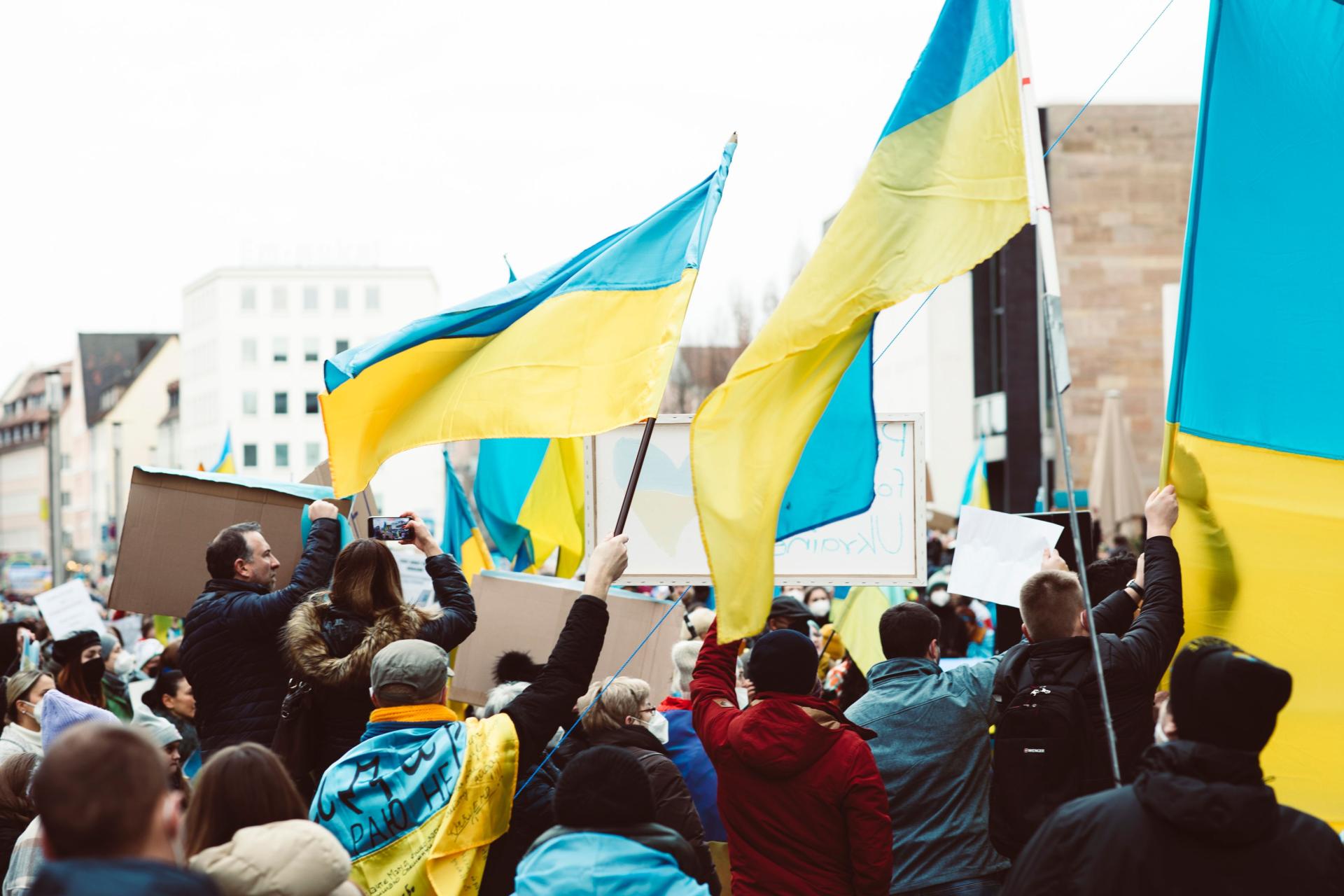
Four years into Russia’s full-scale invasion, millions of people in Ukraine are still living without safe homes, stable income, or the basics of daily life. Humanitarian aid reaches many of them. It does not reach everyone.
This project is about the people the system does not count. Thirteen LGBTIQ people across Ukraine, telling their own stories. They are not asking for special treatment. They are asking to be seen.
Why some people go unseen
Humanitarian aid was built on a simple promise. Help goes to those who need it most. In practice, it does not always work that way.
Aid is often distributed per family. If your relationship is not legally recognized, you and your partner are counted as two strangers.
Compensation requires legal ownership of damaged property. If the deed is in a parent’s name or a late partner’s name, your loss does not show up on paper. Distribution points can become spaces of harassment for trans and visibly queer people. Some people never apply at all, because the cost of being identified feels heavier than the cost of going without.
These barriers are not accidents. They are built into eligibility forms, vulnerability frameworks, and family definitions that were not designed with LGBTIQ people in mind. In 2025 and 2026, the situation grew worse. The United States government cut funding for programs that served LGBTIQ communities worldwide, opening what aid workers now call humanitarian deserts. In Ukraine, that gap shows up in the stories on this page.
The principle is not complicated. Aid should be based on need. Safety, food, housing, medicine. These are rights, not rewards for fitting a category.
Thirteen stories
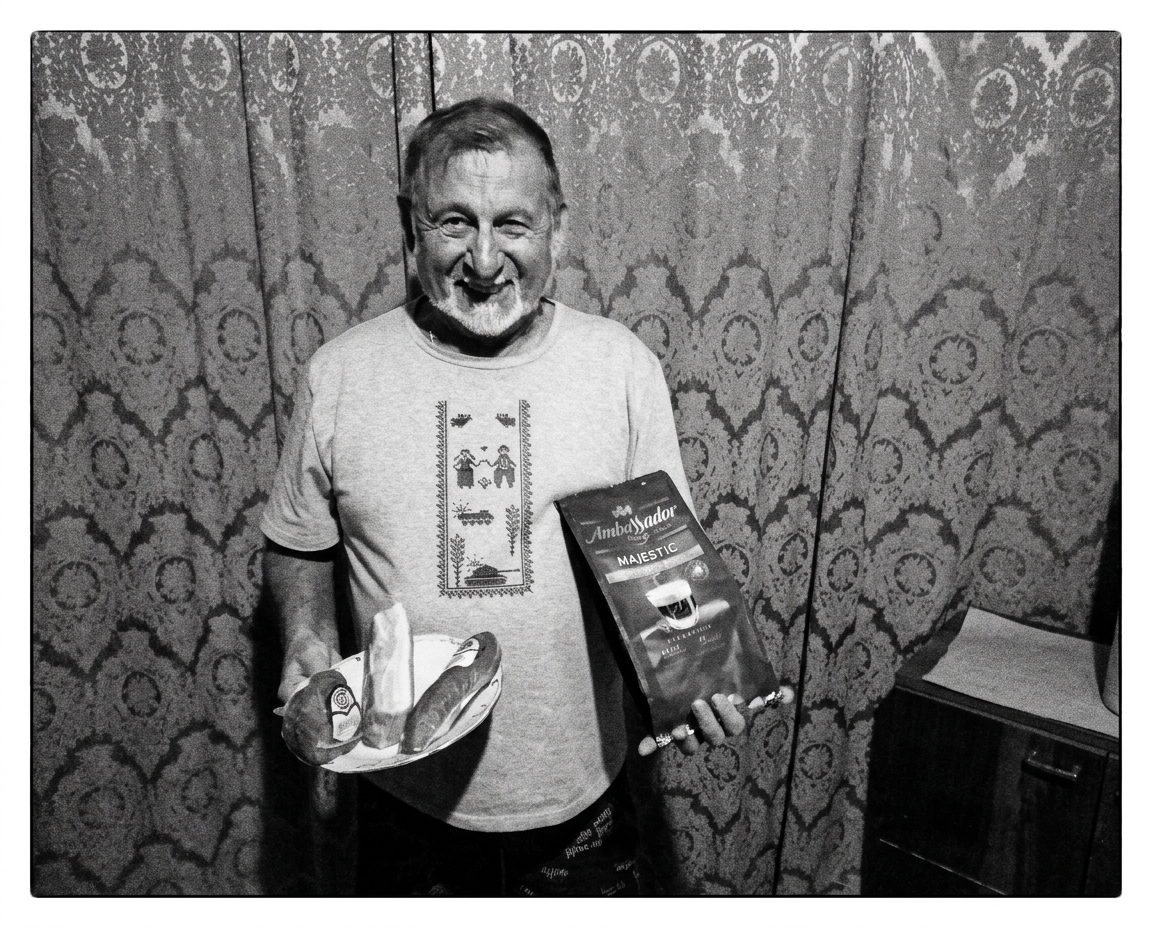
Each story below is told in the words of the person who lived it. Names, locations, and photo references are listed at the top of each block. The photos are processed so that each portrait has the face partially faded or obscured. That is the visual metaphor of the project. People who have been made invisible by a system that should be helping them.
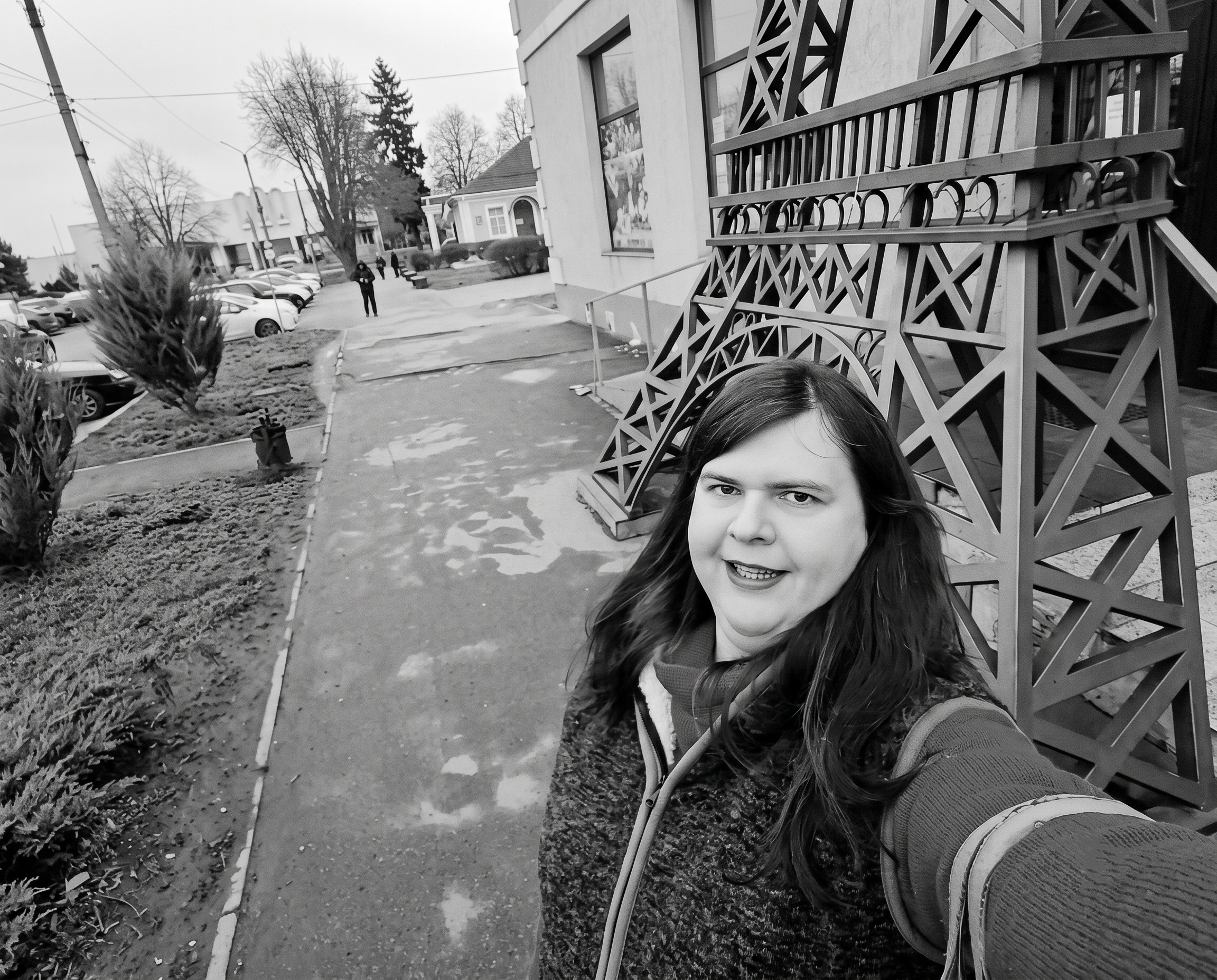
Kaya
Kyiv region
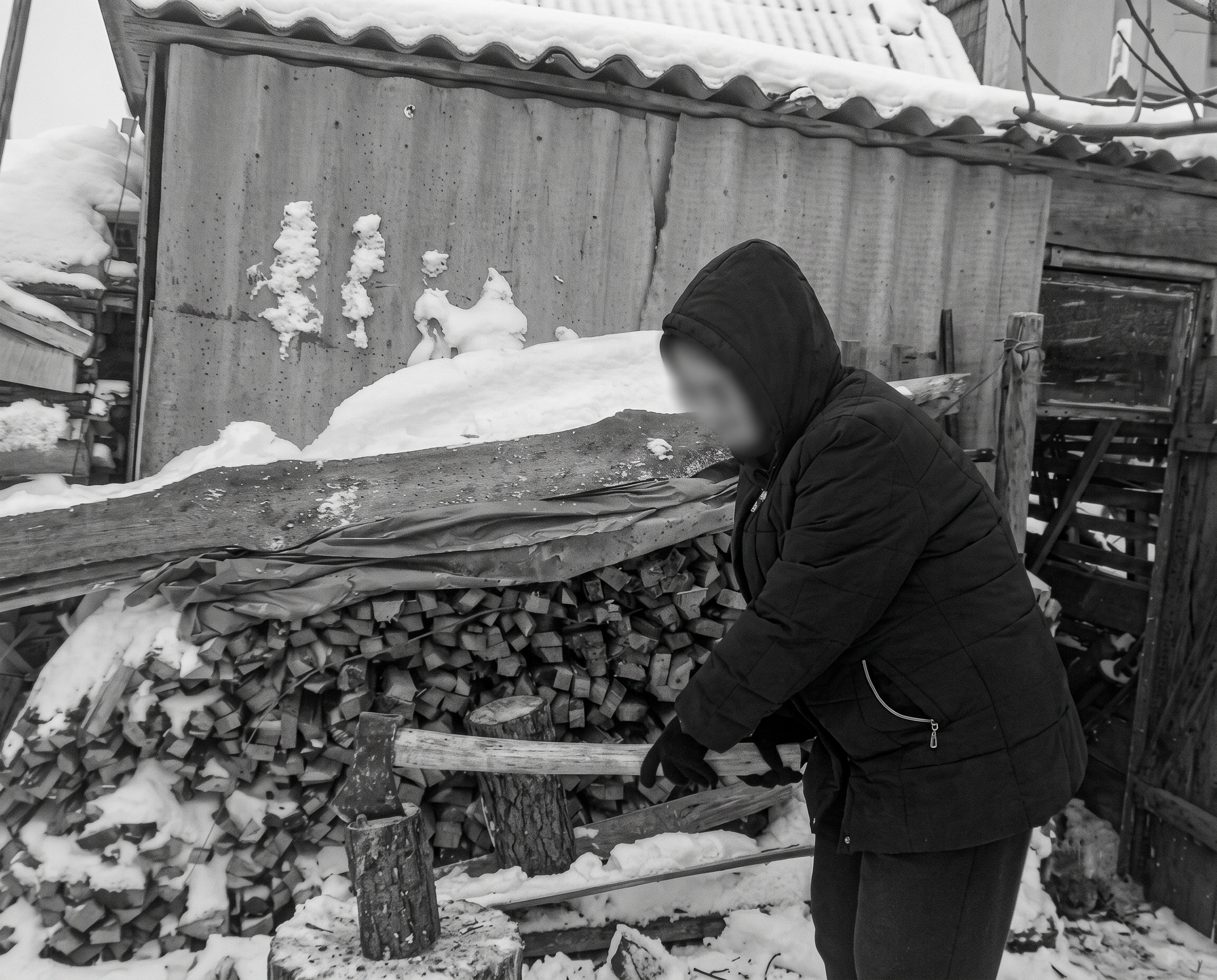
Marta and Alina
Sumy
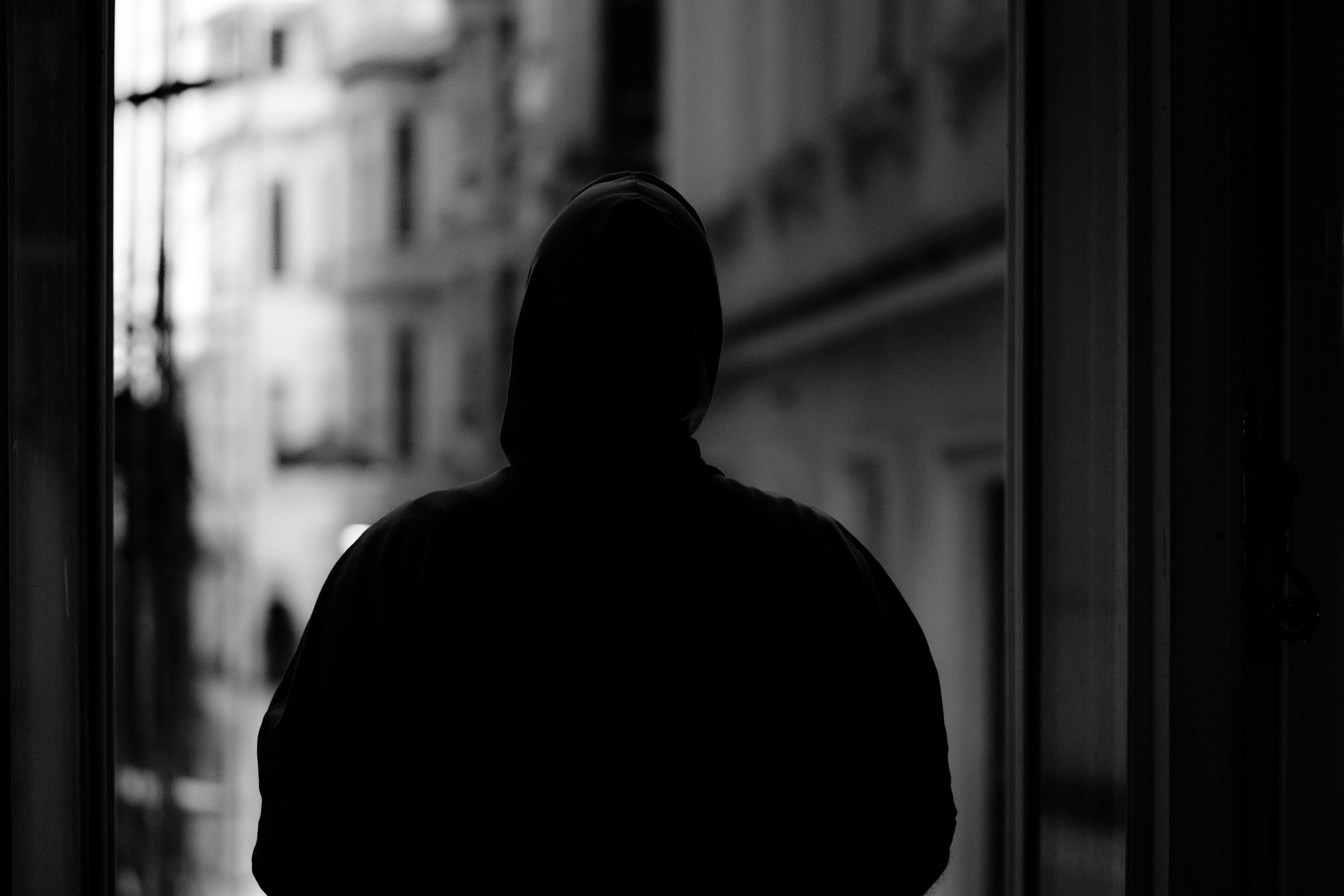
Olena
Vinnytsia region
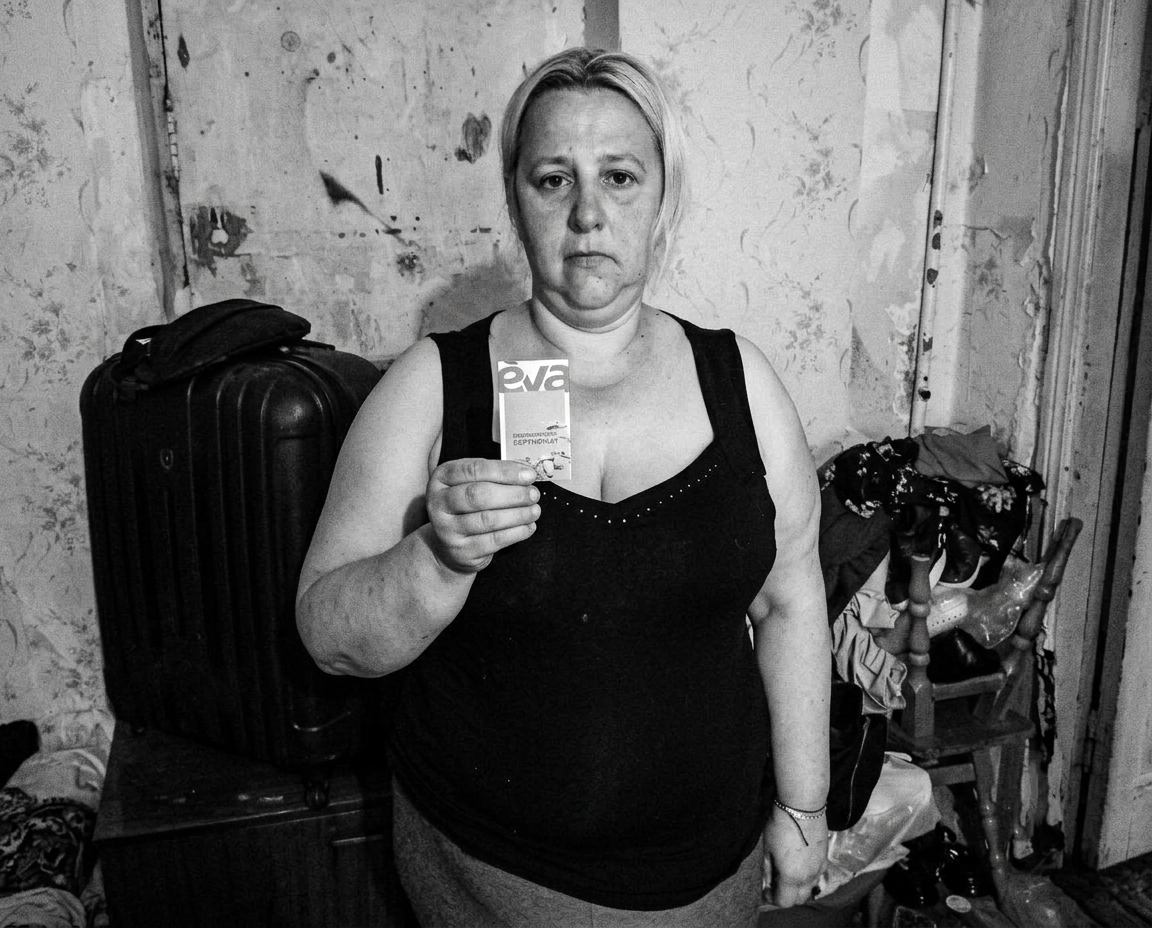
Natasha
Kherson region
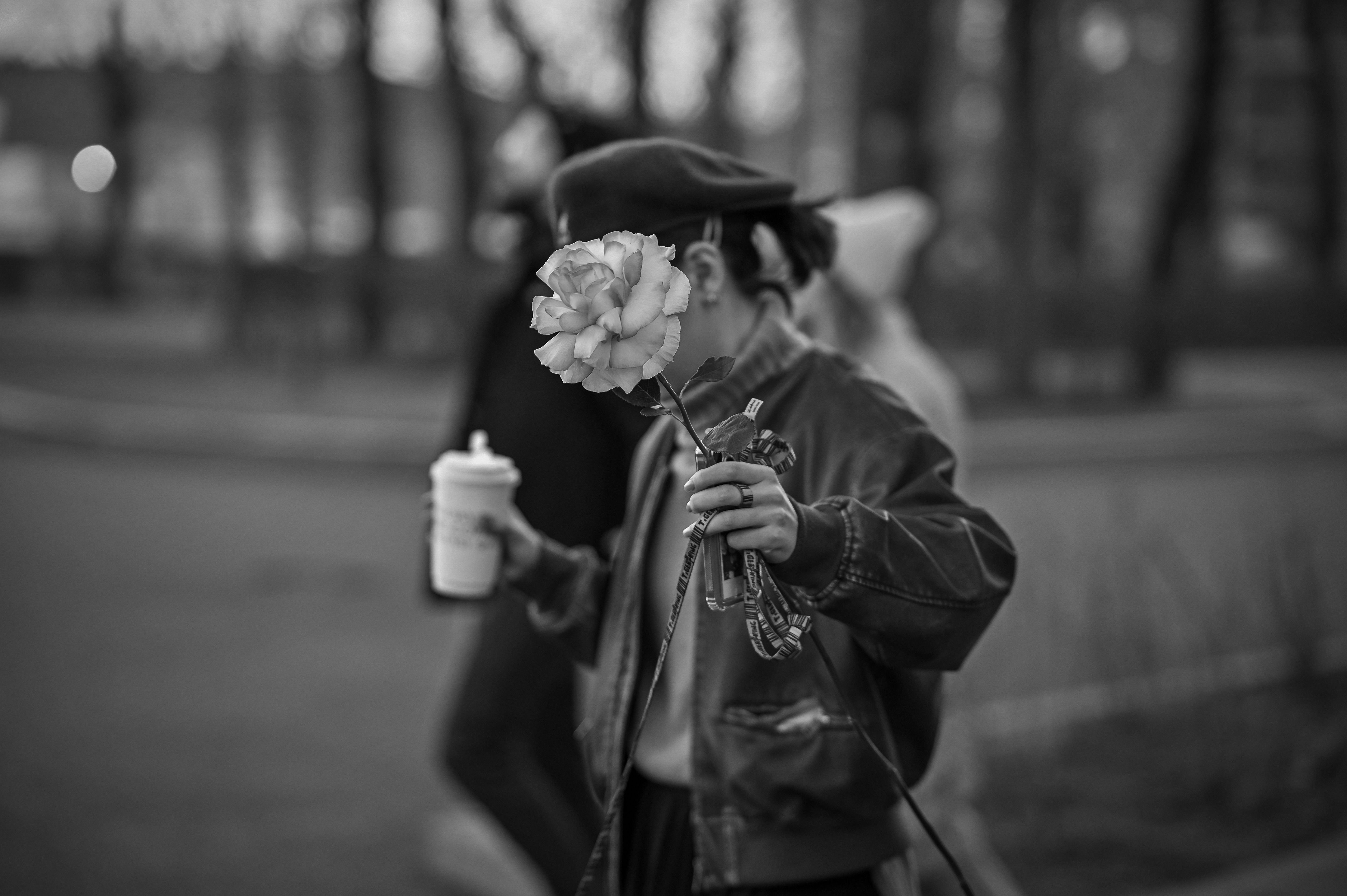
Nataliia and Svitlana
Zaporizhia
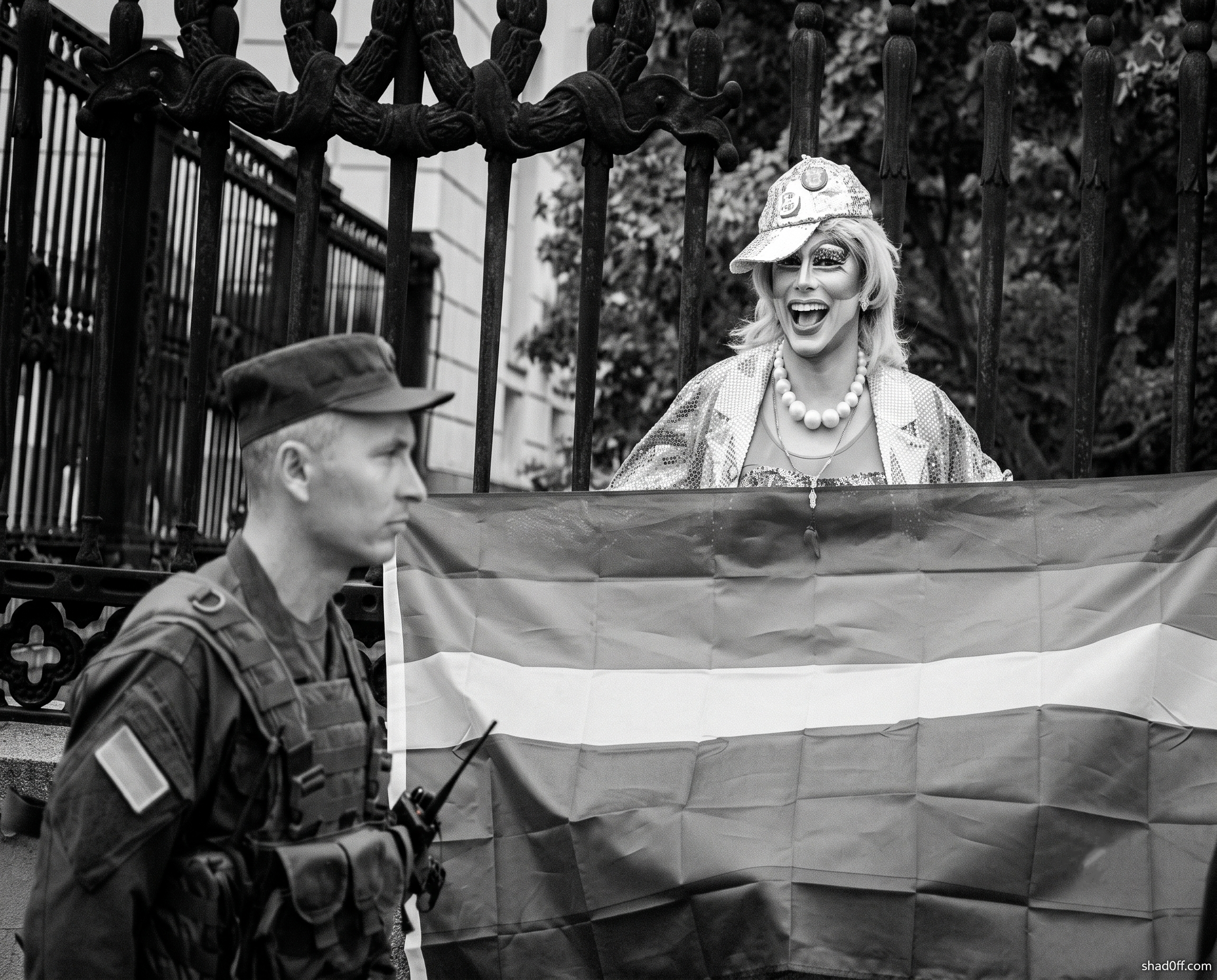
Lala
Kharkiv
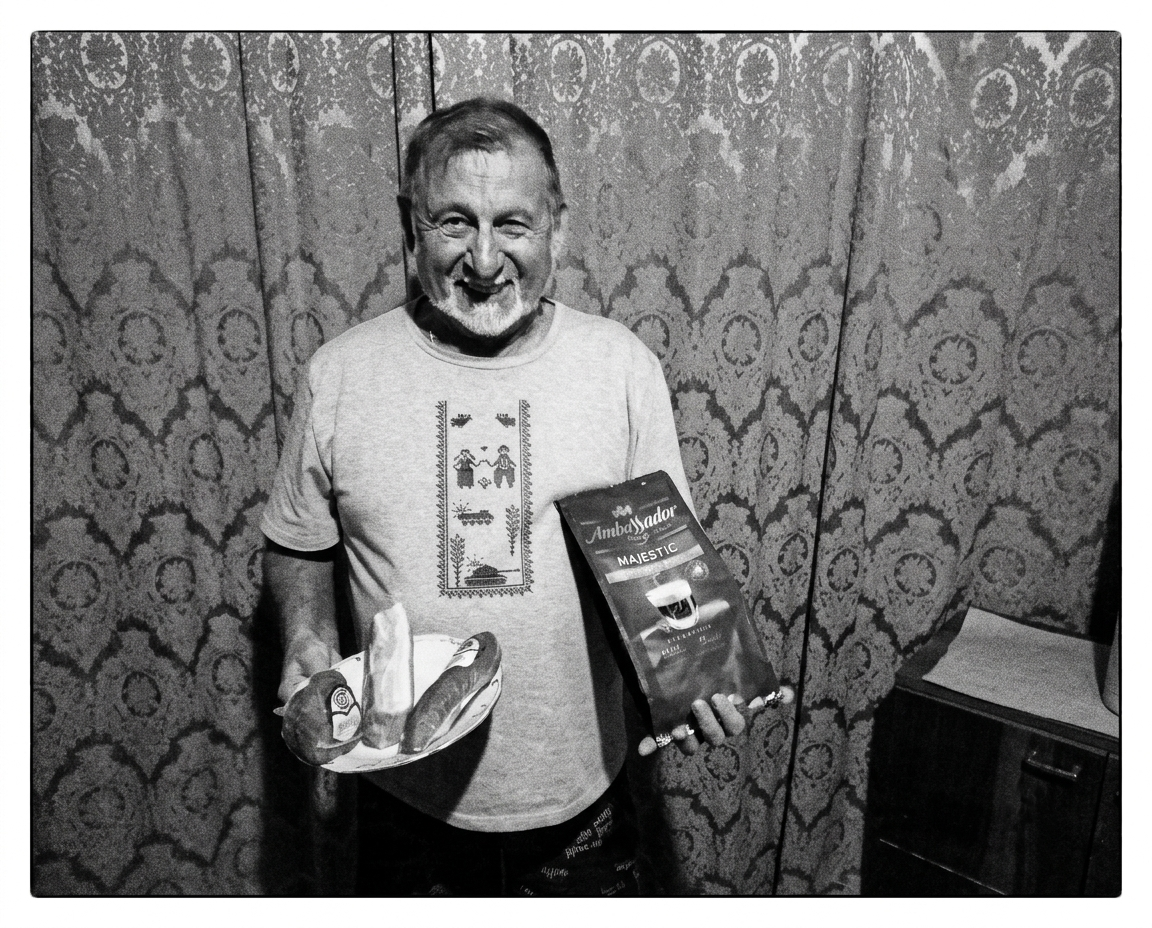
Serhii
Zhytomyr region
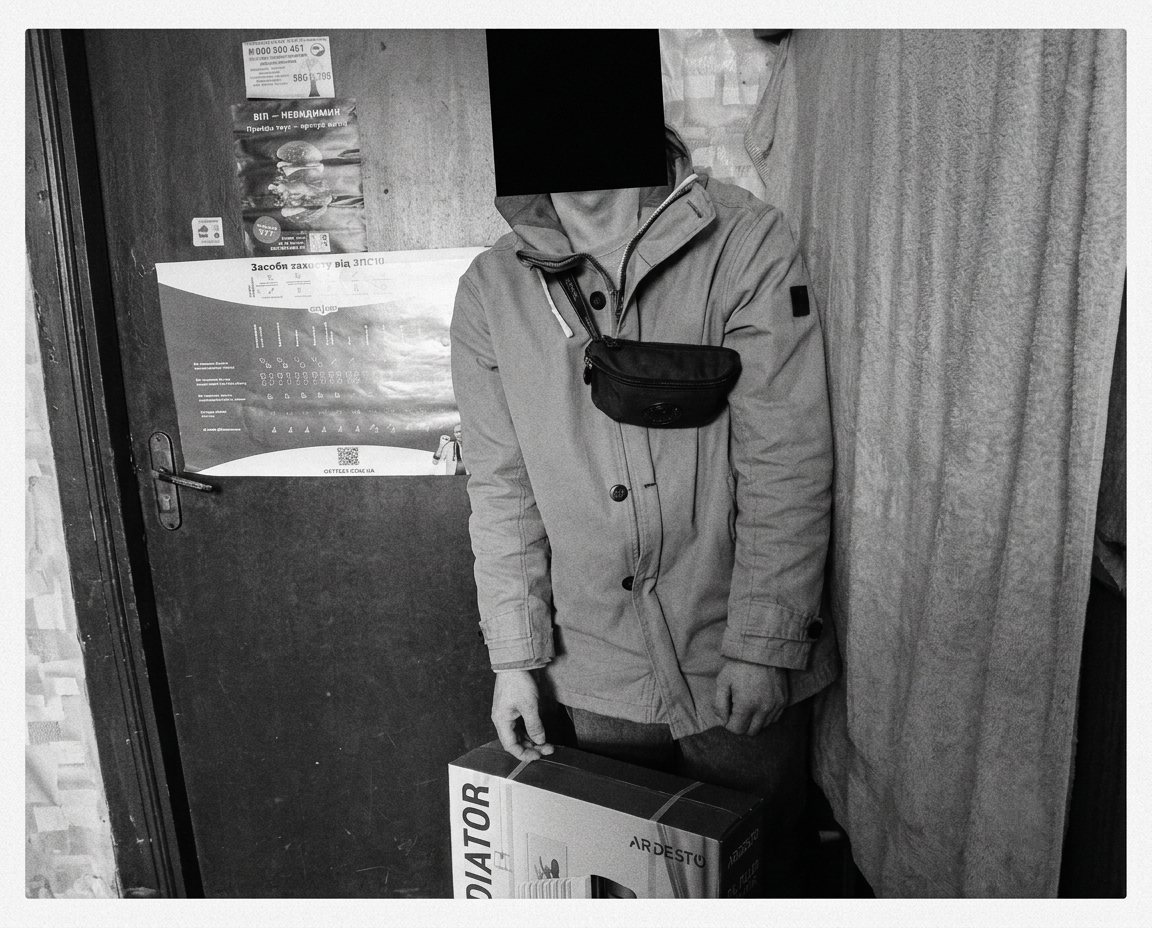
Vlad
Donetsk region
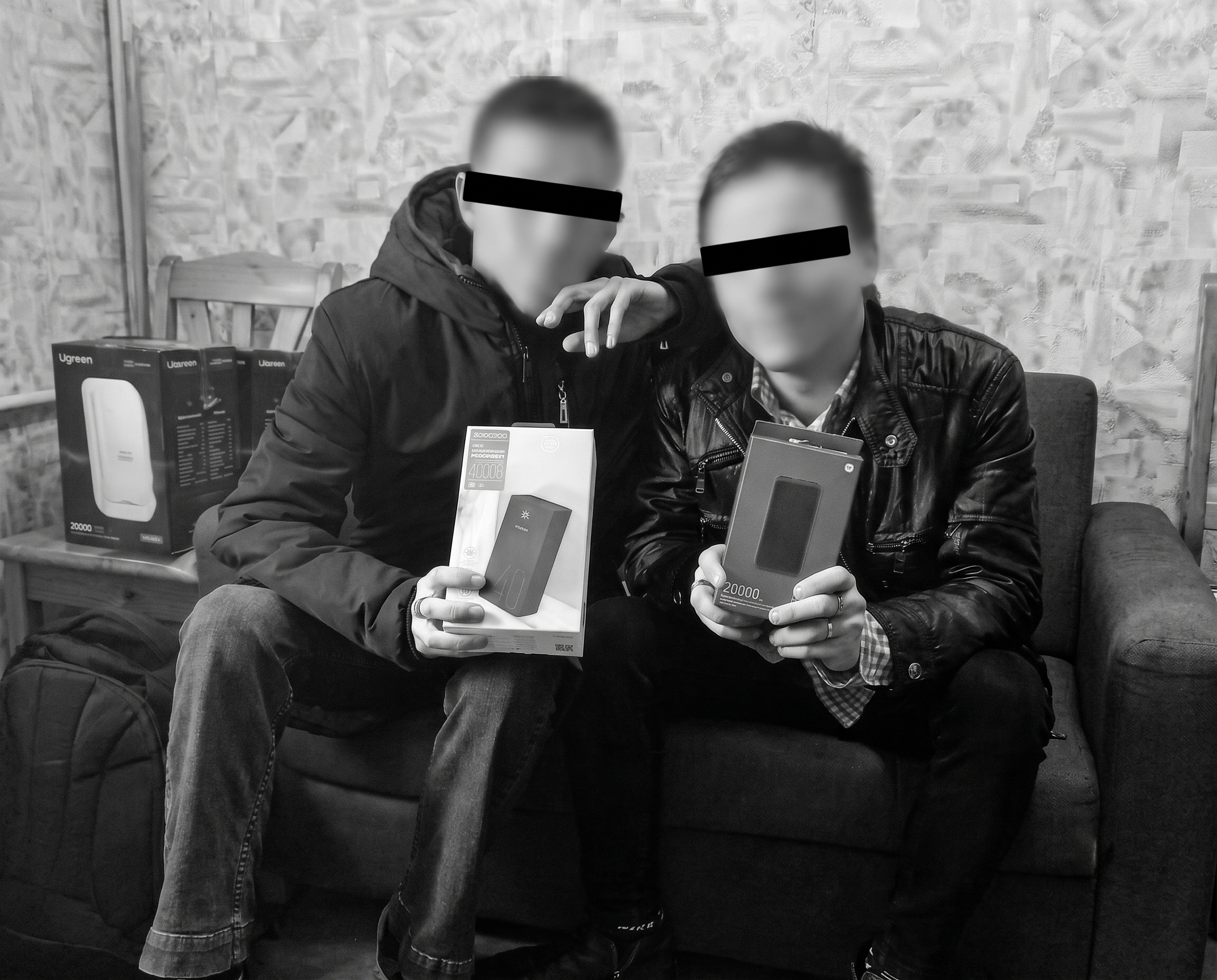
Oleh and Denys
Kyiv
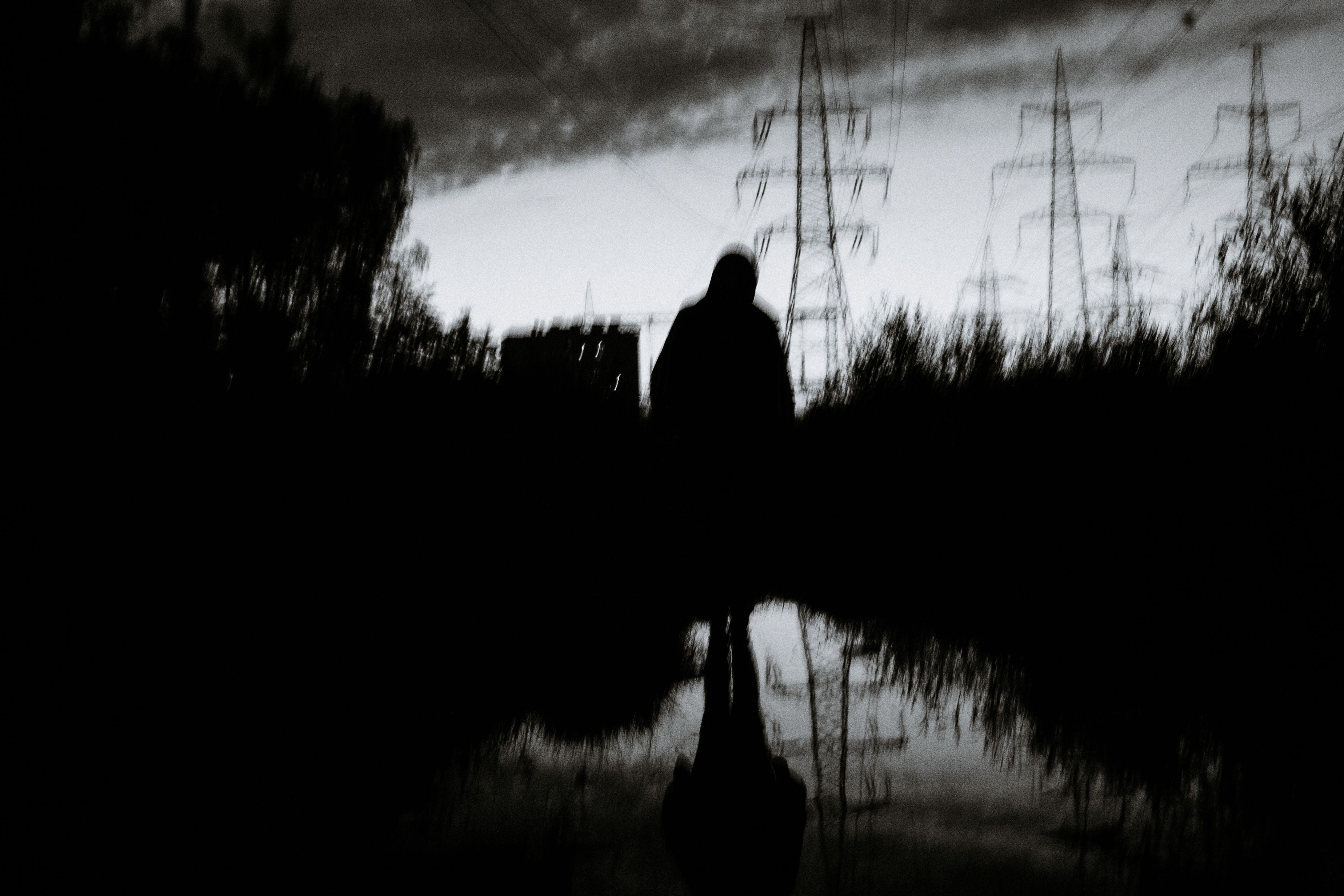
Dasha and Ania
Kyiv
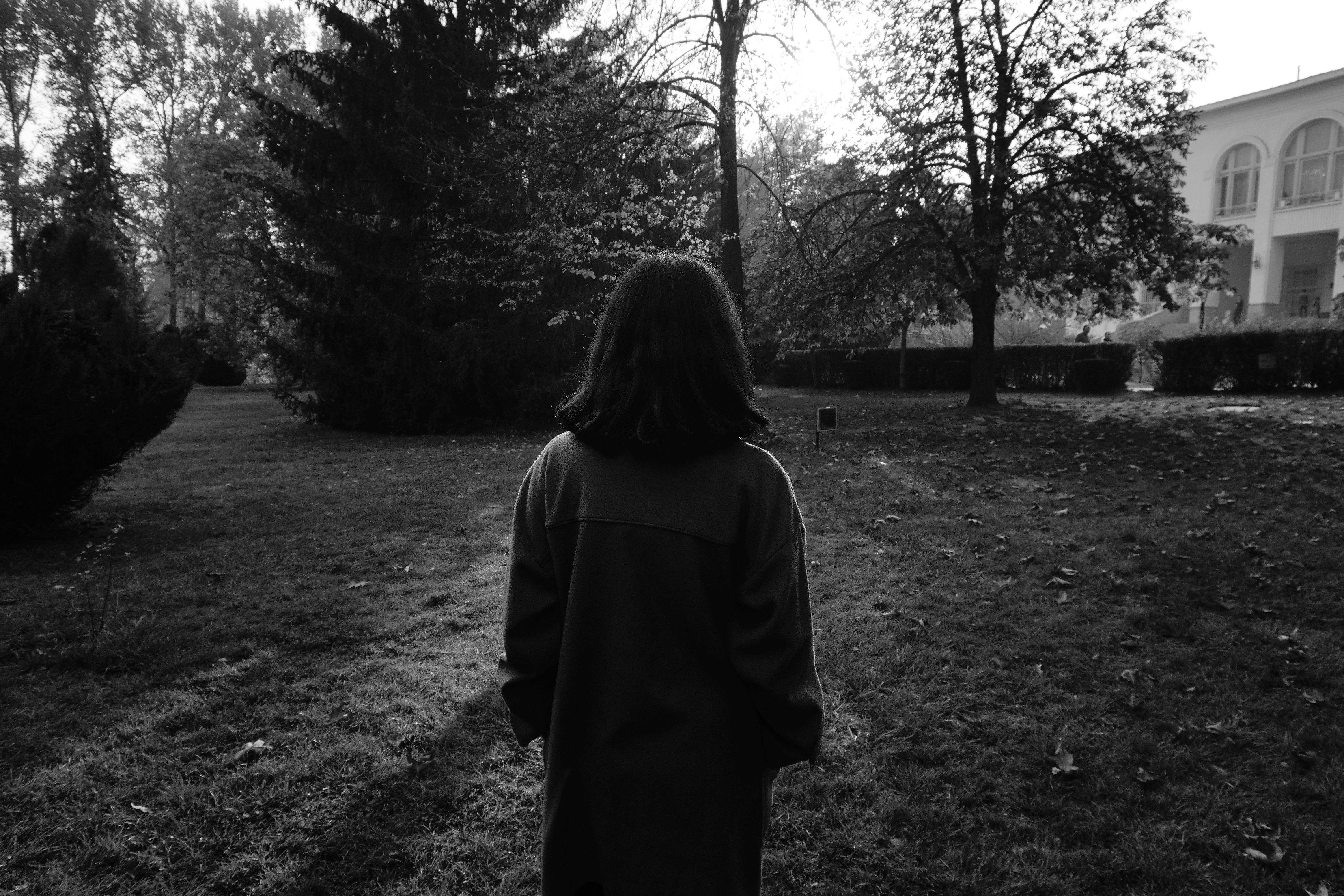
Yana and Alina
Kyiv region
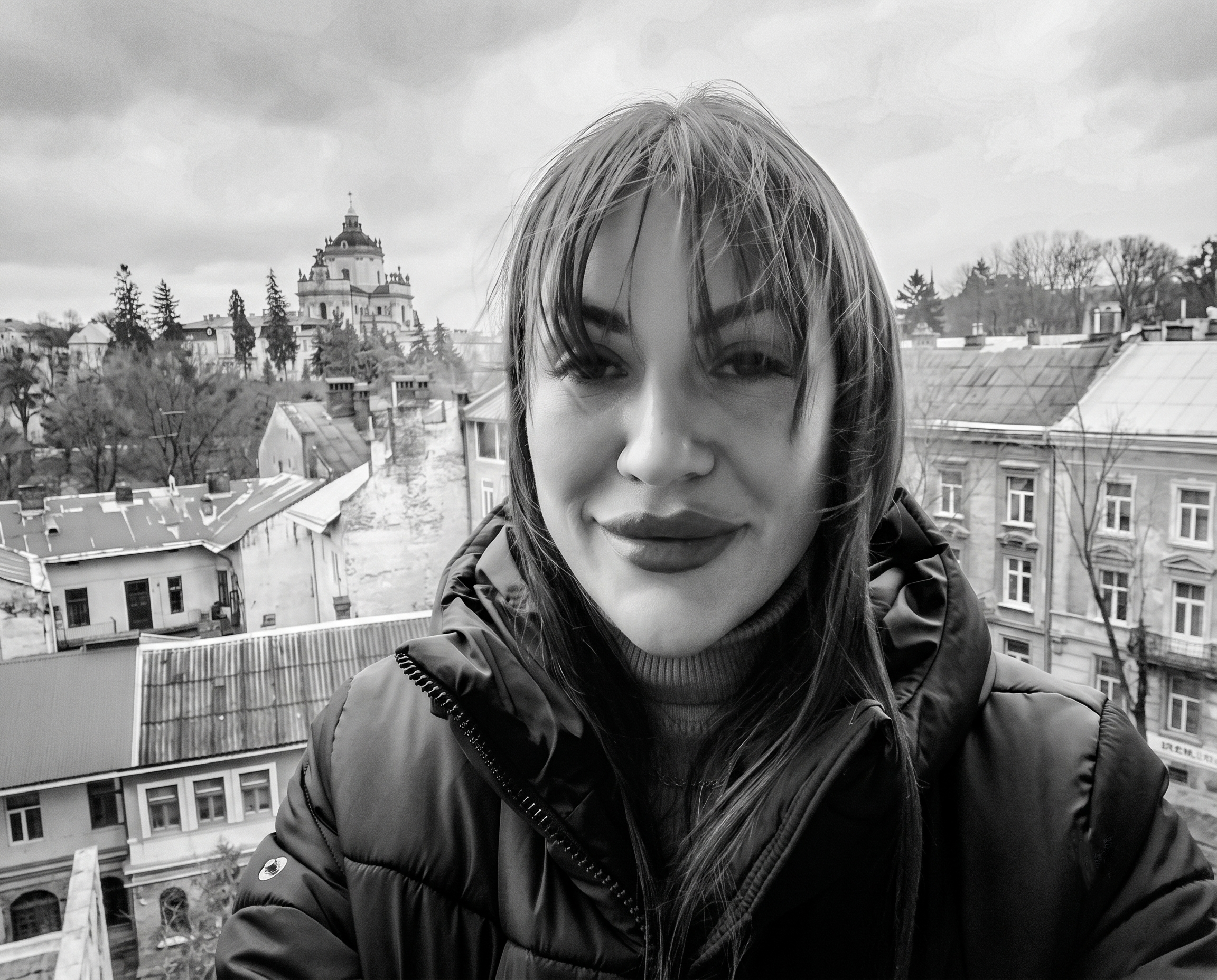
Toma
Kyiv (originally from Kherson region)
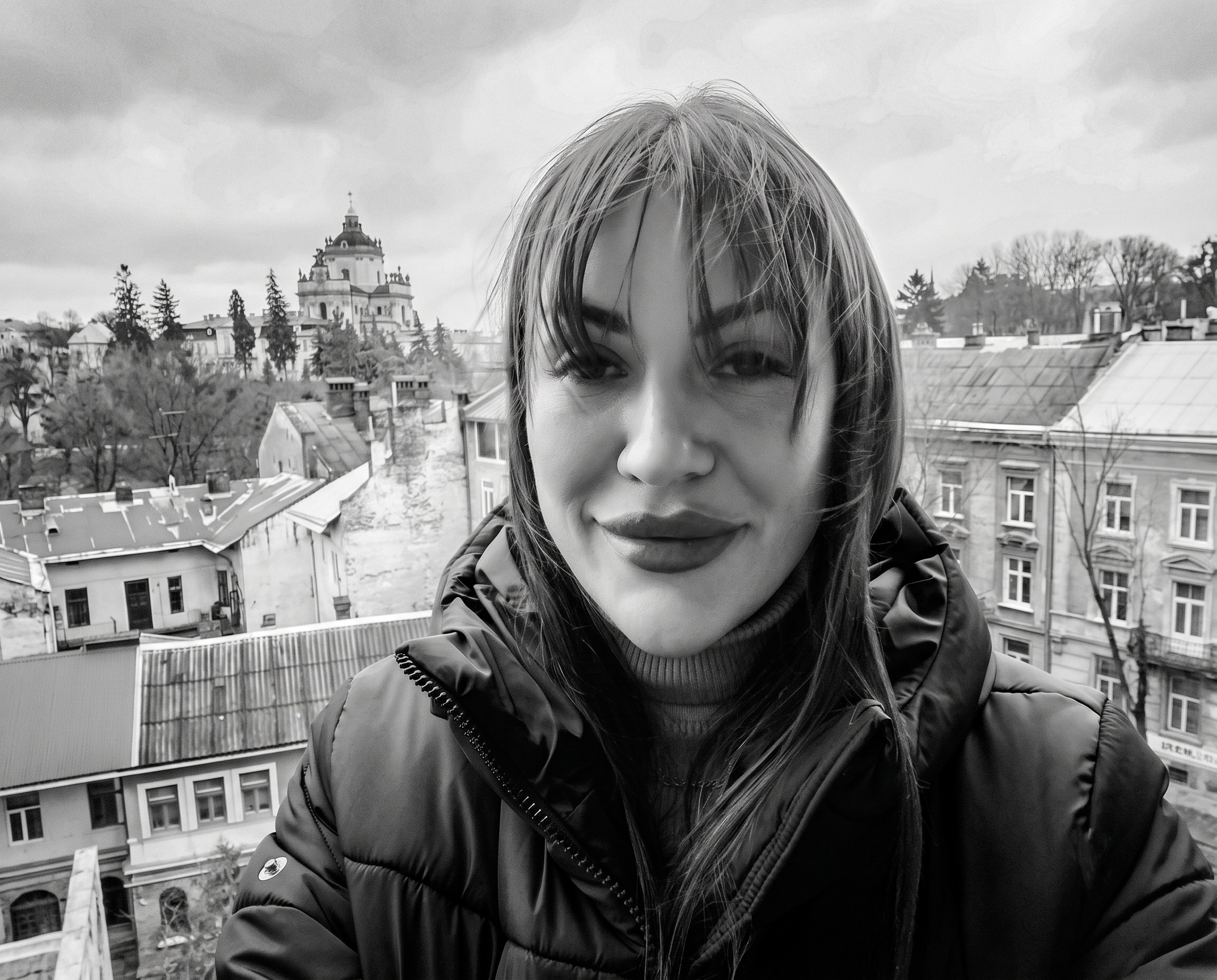
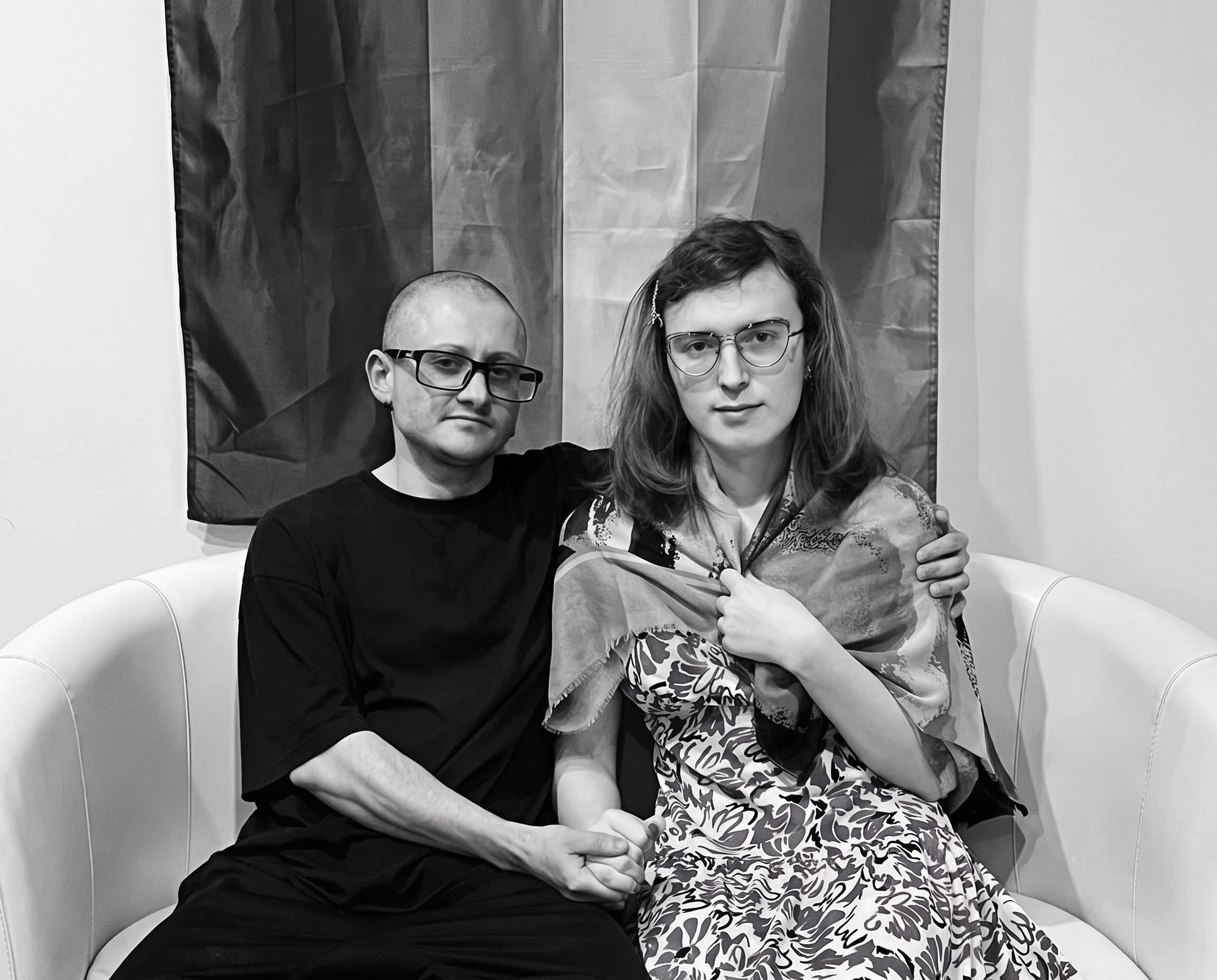
Hilda and Alec
Originally Sloviansk, Donetsk region
Are you ready to tell your story?
Somewhere in Ukraine, someone reading this is living a story that did not fit anywhere either. A family that does not appear on an eligibility form. A home that someone else legally owns. A medication no program will cover. A name that is not yet on a document.
If that is you, this last frame is for you. There is space here for one more story. Yours, if you choose to share it.